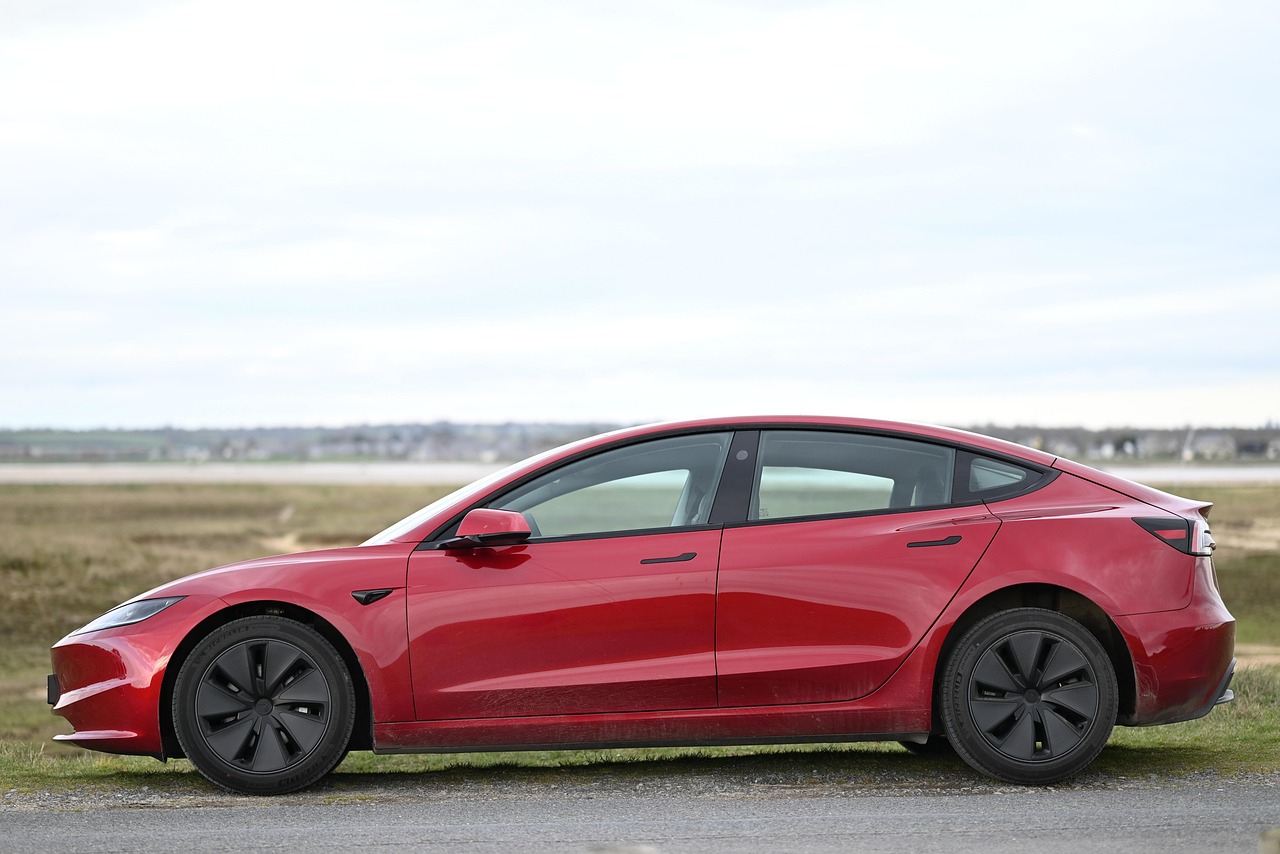
Tesla Paywalls Basic Autopilot Feature Starting January 23, 2026
Tesla has officially discontinued its Basic Autopilot as a standard feature on new Model 3 and Model Y vehicles in North America, effective January 23, 2026. The move forces buyers to subscribe to the company’s $99-per-month Full Self-Driving (FSD) package to access lane-centering capabilities that were previously included at no extra cost.
What Features Are Being Removed?
For nearly seven years, Tesla included “Basic Autopilot” as a standard suite on every vehicle. This package contained two key components:
- Traffic-Aware Cruise Control (TACC): Automatically matches your vehicle’s speed to the car ahead
- Autosteer: Maintains the vehicle’s centered position within a lane
Under the new pricing structure, Autosteer has been removed from all new Model 3 and Model Y orders. New vehicles now ship with only Traffic-Aware Cruise Control as standard equipment. Buyers who want lane-centering functionality must now subscribe to Full Self-Driving Supervised, which costs $99 per month or $1,188 annually.
A 30-Day Trial with Strings Attached
All new Model 3 and Model Y orders now include a 30-day trial of Full Self-Driving, allowing customers to test the lane-centering feature before the subscription kicks in. However, after the trial period expires, accessing Autosteer requires ongoing payment.
Additionally, Tesla has announced it will stop selling FSD as a one-time $8,000 purchase after February 14, 2026, pivoting entirely to a subscription-only model. Elon Musk has also warned that the $99 monthly price will increase as FSD’s capabilities improve, though he did not specify when or by how much.
How This Compares to Competitors
The timing of this change raises eyebrows in the automotive industry. Even budget-friendly vehicles like the 2026 Toyota Corolla LE and Honda Civic now offer lane-centering as a standard feature, positioning Tesla as less competitive at the entry level.
For budget-conscious buyers targeting monthly payments in the $500–$600 range, the additional $1,200 annual subscription cost could be a deal-breaker. Many prospective buyers have stated they are reconsidering Tesla purchases in favor of brands that offer comparable driver assistance without ongoing fees.
Why Is Tesla Making This Move?
Industry observers point to a specific incentive in Elon Musk’s CEO compensation package approved by Tesla shareholders in November 2025. One of Musk’s requirements for receiving up to $1 trillion in compensation is achieving 10 million active FSD subscriptions globally, alongside 20 million vehicle deliveries.
By removing a feature customers already expect, Tesla increases pressure to subscribe. This theory aligns with Tesla’s long-term goals, as removing lane-centering becomes a powerful lever to boost FSD adoption rates.
Industry and Customer Backlash
The reaction has been swift and largely negative. Critics argue that removing lane-centering places Tesla behind mainstream competitors, with many describing the move as a regression rather than an innovation.
The Bottom Line
Tesla’s decision to paywall lane-centering represents a significant shift in how the company packages its driver-assistance features. While the move may drive short-term FSD subscription growth, it risks alienating price-sensitive buyers and raising questions about whether Tesla can maintain its market leadership as competitors offer increasingly sophisticated standard features at lower costs.